Arborist and Tree Removal in SW Florida: 6 Services to Know
The right arborist and tree removal company is led by an ISA Certified Arborist, carries proof of insurance, inspects the tree before it quotes, and puts its scope in writing. Six services decide whether a company meets that bar. If your tree looks sick, you need a diagnosis. If it is dead or leaning, you need removal and probably stump grinding. If it just came down in a storm, you need emergency help. Homeowners who are thinking about their insurer should look at risk mitigation, and property managers should look at commercial work.
The hard part is that every tree company says the same things on the phone. Reviews help, but they rarely tell you whether the crew diagnosed the tree or just sold you a removal. This article walks through six services, what each one involves, who it suits, and the questions that separate a careful provider from a rushed one.
We wrote it from the viewpoint of ArboBella Tree Service, a family-owned company in North Port that serves Port Charlotte and Venice. The examples fit Southwest Florida yards, storms, and hurricane season. The questions work for any provider you call.
1. Arborist diagnosis and tree health evaluation
How it works
An arborist diagnosis is an on-site assessment of a tree's health, structure, and surroundings before anyone talks about cutting. At ArboBella, an ISA Certified Arborist checks the canopy, trunk, root zone, and site conditions . The arborist then explains whether the tree needs pruning, treatment, monitoring, or removal.
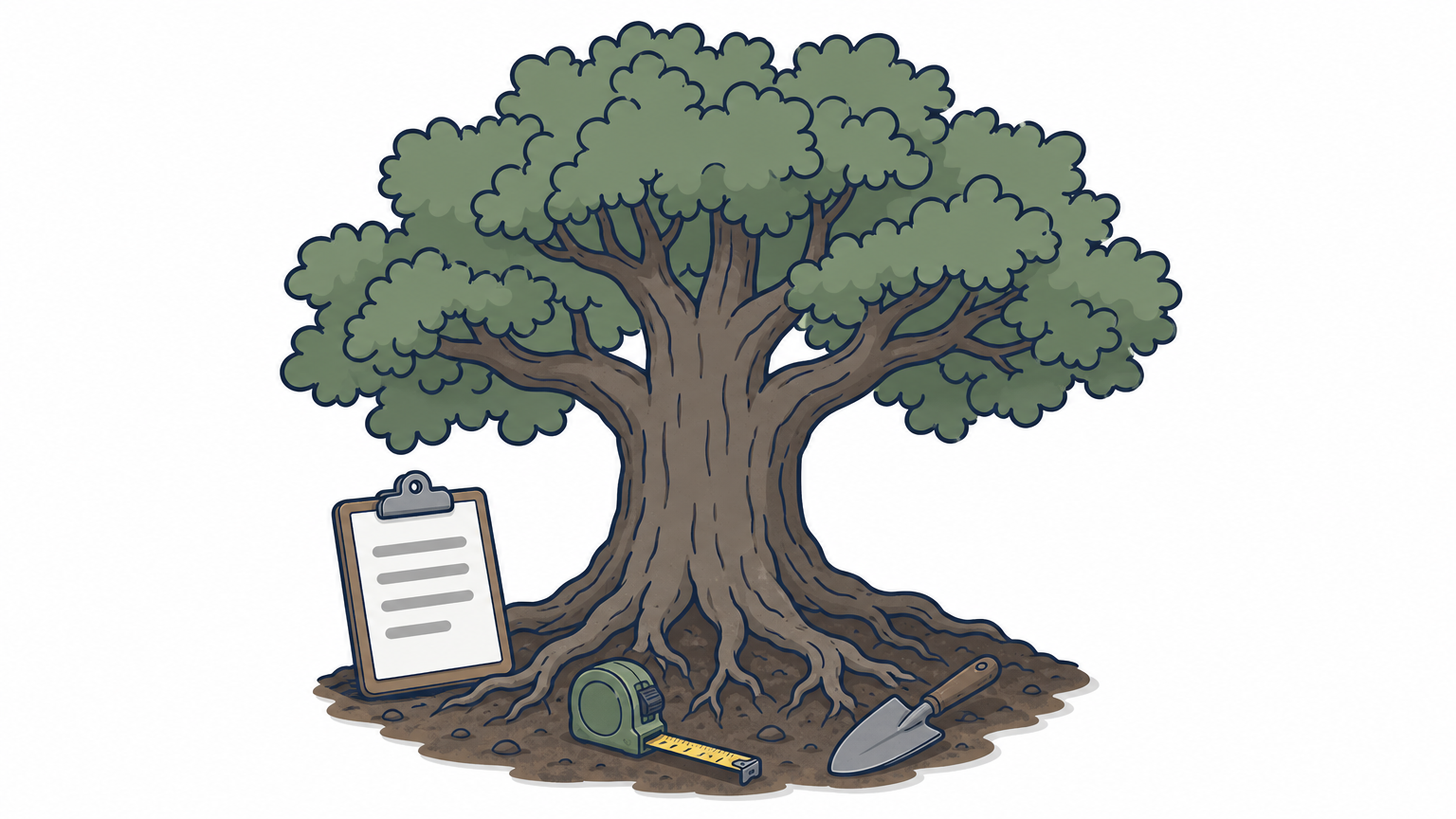
Many callers assume a declining tree has to come out. Often it does not. Pest pressure, disease, and root stress can be managed, and a healthy tree is worth more to your property than an empty spot. A diagnosis also tells you honestly when a tree is past saving, which makes any removal estimate that follows easier to trust.
A good arborist decides whether a tree should come down before quoting how to take it down.
Who it suits and what to ask
Diagnosis suits homeowners with a thinning canopy, dead branches, discolored leaves, fungus at the base, or a trunk that has started to lean. It also helps anyone who has bought a property with mature trees and does not know their condition. Before you book, ask these three questions :
- What certification do you hold, and what is the credential number? You can verify it with the ISA. ArboBella's lead arborist holds ISA Certified Arborist credential FL-295224A.
- Will you inspect the roots and soil, or only the canopy?
- Will I get the recommendation in writing, including options short of removal?
2. Tree removal for dead or hazardous trees
How it works
Professional tree removal is the right call when a tree is dead, declining past recovery, damaged, or hazardous, and preservation is no longer practical. The work is planned around your house, fences, landscaping, and other structures. In tight Southwest Florida lots, that often means climbing and dismantling the tree in sections with controlled rigging instead of dropping it whole.
Permits are the part people miss. Some cities and counties regulate the removal of certain trees, so ask whether yours needs approval and who files the paperwork . A reputable company answers that before the crew shows up, not after.
The best removal crews plan the cut around what the tree could hit, not just around the tree.
Who it suits and what to ask
Removal suits owners of dead trees, leaning trunks, trees with split limbs over a roof, and trees whose roots are lifting a driveway or slab. Compare estimates on scope, not only on price. A written estimate should name each tree, say whether stump grinding and debris hauling are included, and state the insurance carried. When you read reviews, look for recent ones that describe a job like yours and mention cleanup. Then ask:
- Is this one price for every tree on the list, and is cleanup included?
- Can you send proof of liability insurance and workers' compensation coverage?
- Who will be on site, and who decides if the plan changes?
3. Stump grinding
How it works
Professional stump grinding uses a machine to cut a stump down below ground level into wood chips. It clears the stump from your lawn or landscaped area so mowing and planting get easier. The underground root system is generally not excavated , so the roots stay in the soil and decay over time.
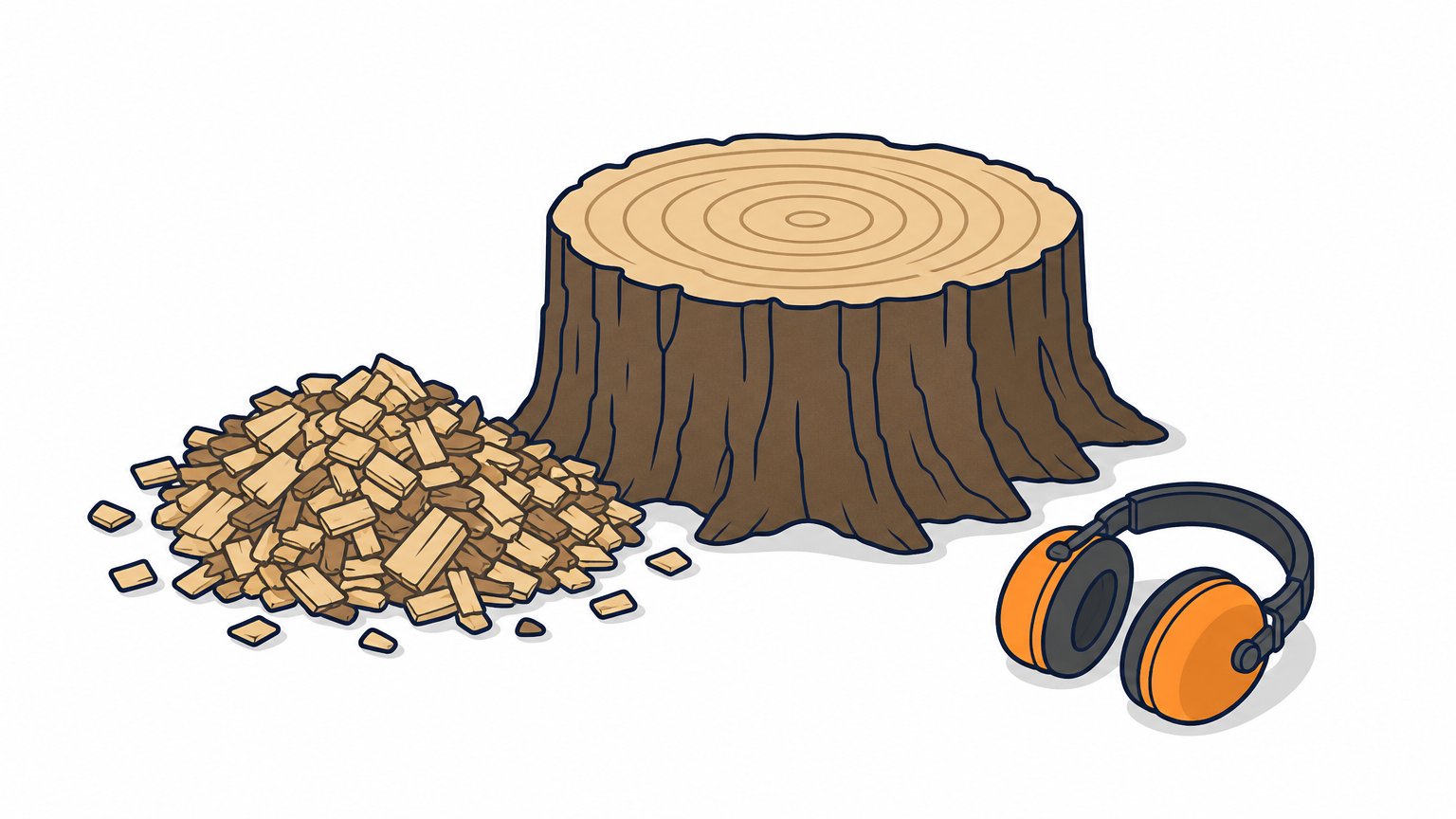
Because grinding is mechanical, the details matter. Ask how deep the grinder will go, whether the chips are hauled off or left behind, and whether the hole is filled. Utility lines also need to be located first, and in Florida that starts with a call to 811 before any digging or grinding.
Grinding removes the stump, not the root system, so plan your replanting around that.
Who it suits and what to ask
Homeowners usually book grinding right after a removal, when a stump blocks the mower or sits where a new bed or patio will go. Commercial stump grinding covers stumps that interfere with mowing, pedestrian areas, property improvements, or grounds maintenance. Before you agree to a price, ask:
- What depth do you grind to, and what happens to the chips?
- Is grinding included in the removal price or quoted separately?
- How do you check for irrigation lines and utilities?
4. Emergency tree services
How it works
Emergency tree response handles fallen trees, hanging limbs, split trunks, and other hazards that cannot wait. If anyone is in danger or a tree is touching a power line, call 911 and your electric utility first and stay well back. Then call an arborist for the rest. The crew makes the site safe, clears what blocks or threatens your property, and handles storm damage cleanup and debris removal.
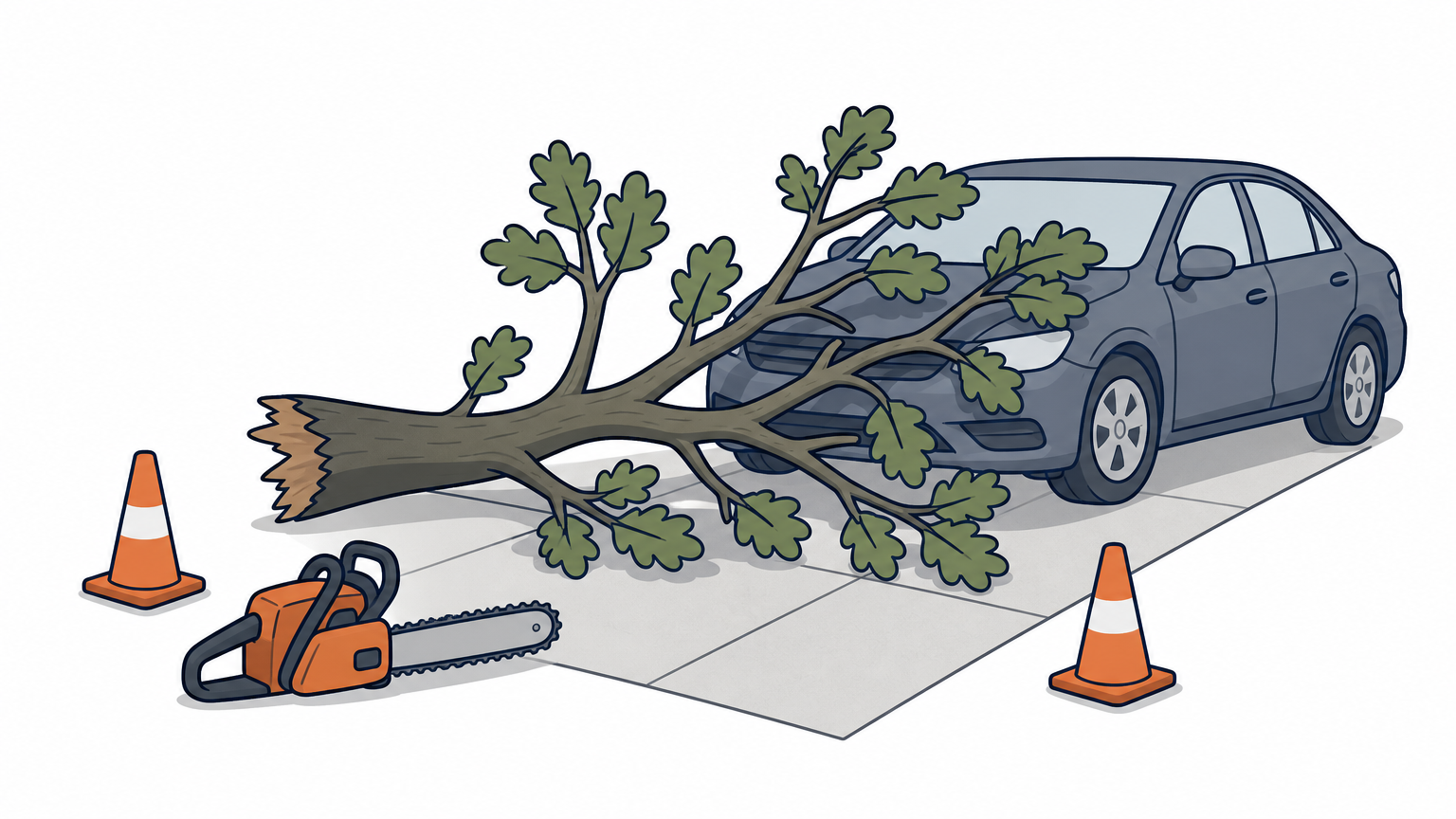
Availability is the real test here. Hurricane season runs from June through November, and demand spikes after every major storm. ArboBella's annual tree risk protection program customers receive priority consideration for qualifying preventive tree work and storm-related services, subject to availability.
Emergency response is only as good as your provider's availability, so choose before the storm.
Who it suits and what to ask
Emergency service suits anyone with a tree on a roof, across a driveway, or hanging over a structure. Be wary of crews that arrive unannounced after a storm and ask for payment up front. A provider you have already vetted is a far safer call. Ask:
- How soon can someone assess the site, and what do you do first?
- Are you licensed and insured for storm work?
- Can you provide photos and an invoice for my insurance claim?
5. Homeowner tree risk mitigation program
How it works
A tree risk mitigation program identifies potentially hazardous trees on your property, carries out the recommended risk-reduction work, and gives you documentation to hand to your insurance agent for review. It is run by ISA Certified Arborists. After the recommended work is finished, an ISA Certified Arborist conducts a final inspection .
Be clear about what this is. ArboBella does not guarantee that mitigation will result in an insurance discount, premium reduction, coverage approval, or underwriting benefit. The documentation gives your agent something concrete to review, and what it changes is the insurer's decision.
Documentation gives your agent something to review; it does not promise a discount.
Who it suits and what to ask
This program suits homeowners with mature trees near the house, especially those whose insurer has asked about tree condition or who want a record of work done . Call your agent first and ask what they want to see. Then put these questions to any provider that offers a similar service, because no honest arborist promises an insurance outcome:
- What will the documentation include?
- Who performs the final inspection, and what credential do they hold?
- Do you promise any insurance result?
6. Commercial tree removal
How it works
Commercial tree removal services take out hazardous or declining trees on business properties, HOA common areas, municipal grounds, and managed sites. The removals are planned carefully around buildings, parking, walkways, and the people who use them. ArboBella runs separate service lines for residential and commercial clients, so a property manager is not pushed through a homeowner process.
With many trees across one property, scope is everything. Ask for an itemized proposal per tree, with photos and a risk note, so you can tackle the worst hazards first and keep a record of what was done and when. Stump grinding for commercial sites covers the stumps left behind.
For managed properties, a documented, itemized plan matters as much as the cut itself.
Who it suits and what to ask
This service suits business owners, HOAs, municipalities, and property or facilities managers who answer for liability on their grounds. Ask for a certificate of insurance that lists your organization as the certificate holder before any work starts. Then ask:
- How will you set up work zones around foot traffic and parking?
- Can you itemize each tree with its risk and recommended action?
- Can you provide the certificate of insurance before the crew arrives?
Where to start with your trees
Start with the tree, not the saw. A diagnosis from a certified arborist tells you whether you need pruning, treatment, or removal, and the rest of the list follows from that. Stump grinding comes after a removal, emergency help comes when a storm hits, risk mitigation gives you a record for your insurer, and commercial planning covers managed properties.
Whichever provider you call, check the credential, ask for proof of insurance, get the scope in writing, and read reviews for jobs like yours. If your trees are in North Port, Port Charlotte, or Venice, you can talk with ArboBella Tree Service about a tree health diagnosis or call 941-932-1768.