Best Tree Removal Services Near Me: 6 Types in SW Florida
The best tree removal services near me are led by a certified arborist, show proof of insurance, inspect the tree before quoting, and put every cost in writing. In North Port, Port Charlotte, and Venice, that usually means a local arborist company for hazardous or declining trees, a storm crew for emergencies, and a cheaper option for simple, low-risk jobs. Which one is best depends on your tree, its location, and how much risk you carry.
The trouble is that anyone with a chainsaw and a truck can advertise tree work. After a hurricane, flyers and door knockers multiply. Taking a tree down next to a roof, pool cage, or power line is the job where a bargain mistake costs the most.
This article sorts local tree removal companies into six types. For each one you get how it works, who it suits, and what it costs. A final section gives you the checks that apply to any company you consider. ArboBella Tree Service is a family-owned, certified arborist company based in North Port, so it sits first, and you can hold it to the same checks as the rest.
1. ISA Certified arborist-led local company
An arborist-led company decides whether a tree should come down before it sells you a removal. That makes it the safest pick when you are unsure about a tree's condition. ArboBella Tree Service is this type of company in North Port, Port Charlotte, and Venice.
How it works
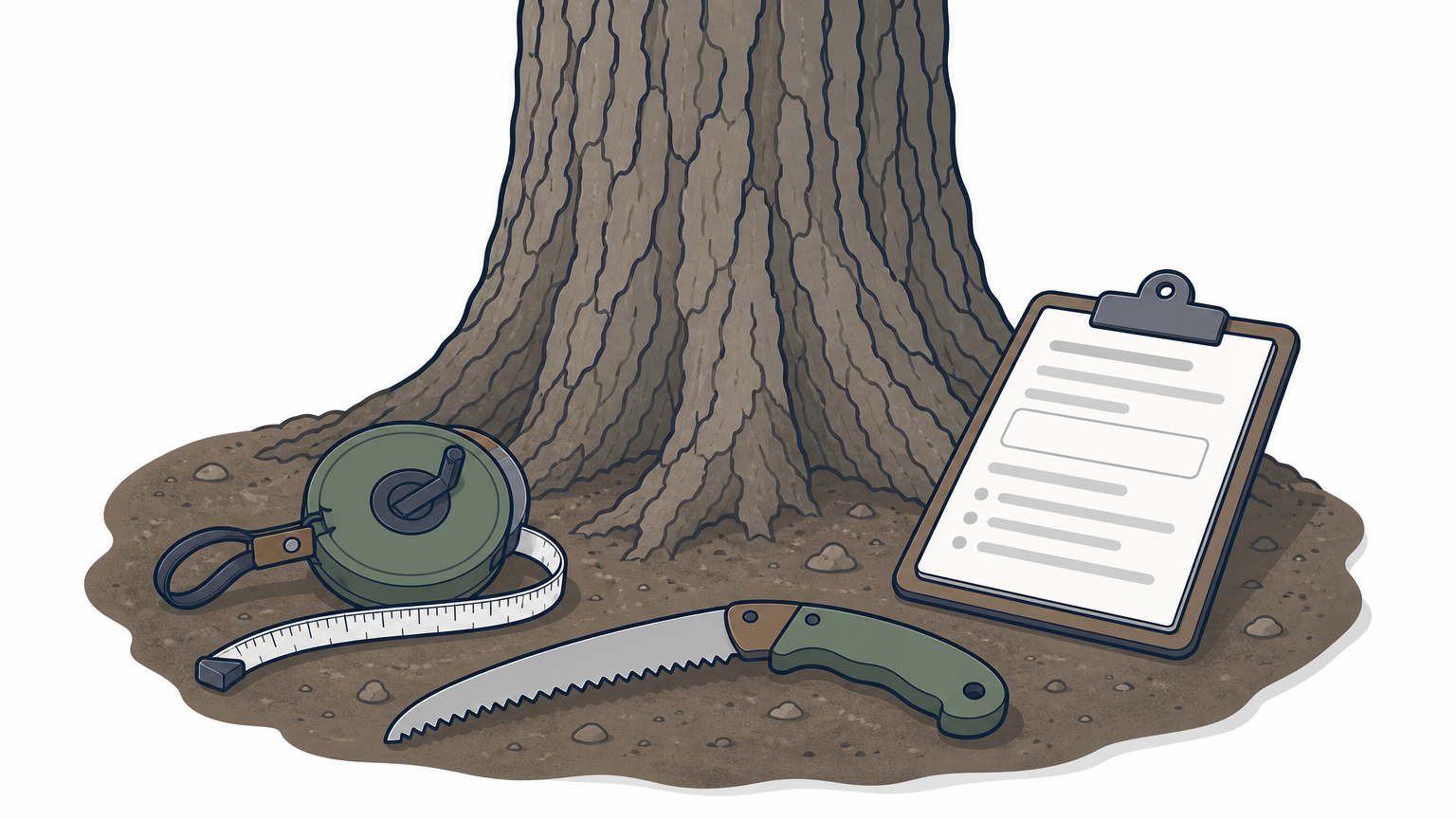
ArboBella is led by an ISA Certified Arborist (FL-295224A). The company is licensed and insured, has more than 10 years in the industry, and belongs to the ISA Florida Chapter and the North Port Chamber of Commerce. It evaluates each tree's health, structure, location, and surrounding conditions before recommending pruning, treatment, or removal.
Removal is for dead, declining, damaged, or hazardous trees when saving them is no longer practical. The work is planned around nearby homes, fences, landscaping, and other structures . Stump grinding is available, but the underground root system is generally not excavated.
A certified arborist should tell you whether the tree needs to go before telling you what removal costs.
Who it suits
This type fits homeowners who cannot tell whether a leaning or thinning tree is dangerous or just ugly. It also fits HOAs, businesses, and property managers, because ArboBella runs a separate commercial removal line for hazardous or declining trees.
The Homeowner Tree Risk Mitigation Program adds documentation of completed work that you can give to your insurance agent for review. An ISA Certified Arborist does a final inspection afterward. ArboBella does not promise an insurance discount, premium cut, or coverage approval.
Cost and trade-offs
Ask for a written quote instead of expecting a flat rate. Because the company aims to preserve healthy trees, it may recommend pruning where you hoped for removal.
If you want a healthy tree gone for a non-safety reason, such as roots near a slab or a view you want back, say so at the start. Then the quote answers the question you actually asked.
2. Emergency and storm-response crews
Emergency crews make a dangerous situation safe fast, and they are the right call when a tree is already on your house, car, or driveway. Speed is what you pay for, so tighten the paperwork instead of loosening it.
How it works
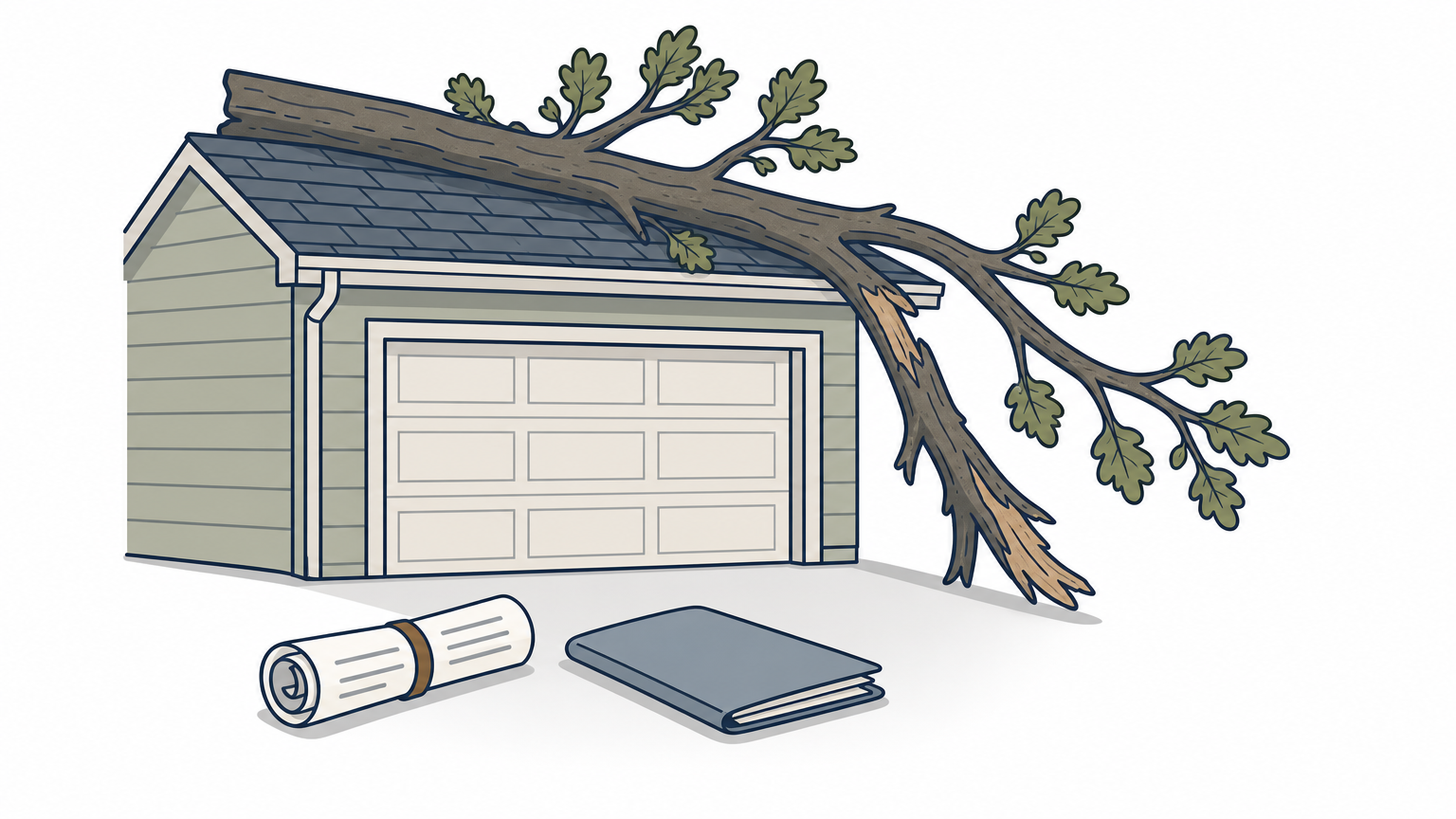
A storm crew first removes the immediate hazard. That can mean cutting a fallen trunk off a roof, clearing a blocked driveway, or taking down a hanging limb or split trunk before it drops. Full cleanup or complete removal sometimes comes in a second visit.
Ask the crew to describe in writing what today's visit covers and what it does not. That one sentence prevents most billing disputes. It also tells you whether you need a second contractor.
Who it suits
Use an emergency crew when a tree blocks your only way out, rests on a structure, or has a limb hanging over a walkway or play area . If the tree is only leaning, scheduled arborist work is usually calmer and cheaper.
Call your insurance agent early if the tree damaged your home. Take photos before anything moves. Keep every invoice for the claim.
Cost and trade-offs
After-hours work and storm demand push prices up, and quotes after a hurricane vary widely . Never hand over a large deposit to a crew you cannot verify. Out-of-area crews that arrive after a storm are the usual source of complaints, so confirm the company has a local presence and a certificate of insurance before the saw starts.
In an emergency, make the tree safe first and compare prices second, but still get the scope in writing.
3. Landscaping companies that also remove trees
A landscaping company is a fair choice for small, accessible trees that sit far from structures. For anything large, or near a roof, fence, or line, a dedicated tree company is the better fit.
How it works
Lawn and landscape crews often add tree work to their services. They usually bring chainsaws, a chipper, and a trailer, and they handle debris well. What they may lack is climbing and rigging equipment and an arborist's training for controlled removals in tight spaces.
Ask what they will use to bring the tree down and how they will protect your property. A clear answer about ropes, sectioning, and drop zones separates real tree skill from a hopeful guess.
Who it suits
This type suits small ornamental trees, overgrown shrubs, and dead trees in open yards. It also suits you if you want one crew for mowing, hedges, and a small removal , so the visit combines into a single bill.
Do not hire this type for a tall pine over your house or a damaged oak near a power line. The saving is real, but the margin for error is thin.
Cost and trade-offs
Landscapers often quote lower because their overhead is lower. The trade-off is insurance that may not cover tree removal . Ask directly whether the policy covers tree work and request the certificate. A general lawn-care policy can exclude it.
4. Large regional and national tree chains
A large chain offers scale, scheduling systems, and heavy equipment. It makes the most sense for big or hard-to-reach trees that need a crane or bucket truck, and less sense for a routine backyard job.
How it works
Most chains send an estimator, quote from a standard price structure, and dispatch a crew from a pool. The estimator may or may not be a certified arborist, and the crew that removes the tree may not be the person who walked your yard.
Ask who will be on site and whether a certified arborist reviews the plan. A named supervisor and a written plan make the job easier to hold accountable.
Who it suits
Chains suit large trees on tight lots, jobs that need a crane or bucket truck , and customers who value formal scheduling and corporate paperwork. They also suit buyers who want a company with a large claims process behind it.
If your priority is a conversation with the person who actually climbs the tree, a smaller arborist company usually gives you more of that.
Cost and trade-offs
Chain prices often run higher because of overhead and equipment, though that is not guaranteed. Compare line-item quotes , not totals, so you can see whether stump grinding and haul-away are included. The best tree removal company near you is not automatically the biggest one.
5. Solo operators and small crews
Solo operators can deliver good work at the lowest price, but they carry the most variation. Treat their paperwork as the deciding factor, not their pitch.
How it works
The owner quotes the job, usually brings one to three helpers, and does the work. You deal with one person, which makes communication simple and prices flexible. Some are skilled climbers with years of local experience.
The risk is thin coverage. A solo crew may skip workers' compensation because it is expensive, and some carry minimal liability limits. Ask for both certificates before you agree to anything.
Who it suits
This type suits straightforward removals of medium trees with clear access, and budget-conscious owners who will do the checking. It works best when you can see the tree is not near a structure.
It is a poor fit for trees near roofs, pool cages, or lines. It is also poor for any job where you would need the crew to diagnose disease or structural risk .
Cost and trade-offs
Solo quotes are often the lowest on the page. A low price becomes expensive if a worker is injured or your fence is crushed and nobody is insured. Ask for the certificate and confirm it is active , not just a photo from last year. Then the low price is a saving instead of a gamble.
A very low quote is only a bargain when the insurance behind it is real.
6. Online quote marketplaces
Marketplaces help you collect several quotes quickly. They are a tool for finding companies, not a vouching service for them.
How it works
You describe the job, including tree height, number of trees, and nearby obstacles such as power lines, and local pros respond with quotes. Profiles show ratings, review counts, and years in business. For homeowners these platforms are typically free to use, and the pros pay for leads.
Platform labels such as "top pro" or "great value" reflect platform metrics like response speed and reviews , not an arborist's training. Treat them as a starting list.
Who it suits
Marketplaces suit you if you want three or more quotes in a day and have no personal referral to start from. They also help when you are new to the area and do not know local names yet.
They suit you less if your question is whether a tree is dangerous. That question needs an on-site evaluation by a qualified person.
Cost and trade-offs
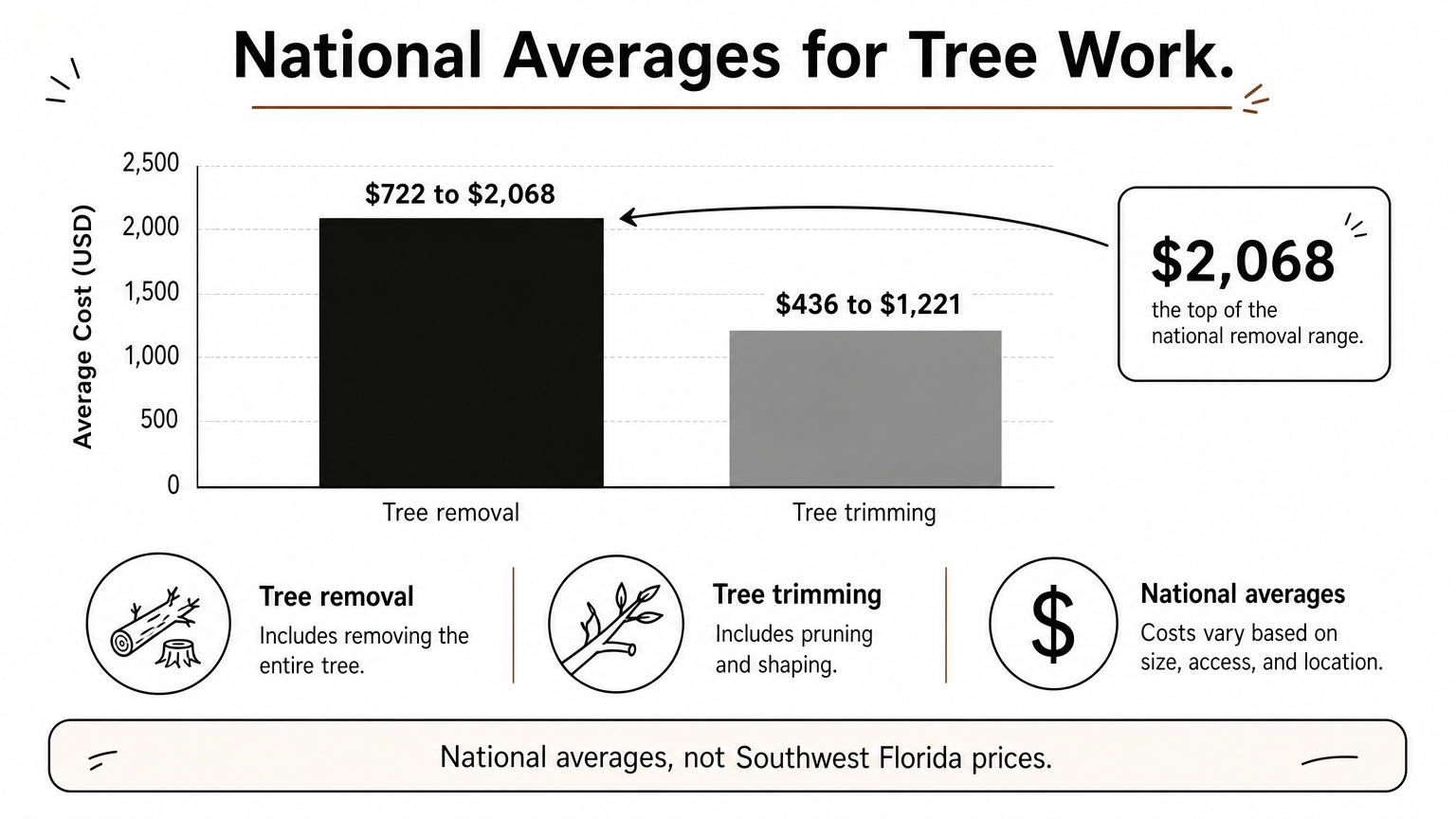
Marketplace estimates are a rough guide. National average figures published by one major platform put tree removal at about $722 to $2,068 , and trimming at about $436 to $1,221. Those are national averages, not Southwest Florida prices, so use them only to spot quotes that look unusually high or low.
Also check that a listed company actually serves your city. Some profiles list service areas loosely, and a review count of five tells you less than one of fifty .
How to vet any tree removal company
Whichever type you choose, the same three checks apply: verify the paperwork, read reviews for patterns, and compare quotes line by line. Doing all three takes about an hour and prevents most bad hires.
Verify credentials and insurance
Ask for each item below before you sign anything. A reliable company hands these over without hesitation.
| Check | What good looks like | How to verify |
|---|---|---|
| ISA Certified Arborist | A credential number you can look up | Search the number in the ISA directory |
| Liability insurance | Certificate showing general liability coverage | Have the insurer or agent send it to you |
| Workers' compensation | Active policy or a valid exemption | Same certificate or a call to the agent |
| Local registration | Business tax receipt where required | City or county office |
| Permits and HOA rules | Company tells you if your tree needs approval | City or county rules, then your HOA |
Permits matter more than people expect. Some trees, especially large or protected ones, may need approval before removal, so ask the company whether it handles that and check with your city, county, and HOA yourself.
Read reviews for patterns
Look for repeated details, not star averages. Reviews that mention on-time arrival, a final invoice matching the quote, and a clean yard carry more weight than general praise. Find reviews about trees like yours, such as a large oak near a house, since that is the skill you are buying.
Also see how the company answers criticism. A calm, specific reply to a bad review tells you how it will treat you if something goes wrong. A defensive or missing reply tells you that too.
Compare quotes line by line
Quotes only compare when they cover the same scope. The numbers below are hypothetical, but the pattern is common.
| Quote | Removal | Cleanup and haul-away | Stump grinding | Total | Insurance proof |
|---|---|---|---|---|---|
| A | $1,200 (cleanup included) | Included | $300 | $1,500 | Provided |
| B | $950 | $250 | $300 | $1,500 | Provided |
| C | $1,100 all in | Included | Included | $1,100 | Not provided |
Quotes A and B are the same price once you add the extras to B. Quote C is cheapest on paper, but without proof of insurance you carry the risk.
Many readers ask whether a certain tree size means a $1,000 job. No height guarantees that, because access, tree condition, and nearby structures can matter more than size. Ask whether stump grinding is included. A stump left in the ground can attract termites and other pests, create a trip hazard, and send up sprouts, and grinding does not dig out the roots.
Compare scope first and price second, because two quotes are only comparable when they cover the same work.
Choosing the right crew
The best tree removal company near you is the one that fits your tree and can prove its credentials. For a tree you are unsure about, start with a certified arborist. For small, easy jobs, a landscaper or small crew can work if the insurance is real. For emergencies, make the tree safe first and sort out the details in writing.
Whichever type you pick, run the same checks: credential number, insurance certificate, permit status, and an itemized quote. If you are in North Port, Port Charlotte, or Venice and want an arborist's opinion on a tree, request a tree removal evaluation from ArboBella Tree Service or call 941-932-1768.