Stump Grinding Service or DIY? 5 Options for North Port, FL
The best stump grinding service for most homeowners in North Port, Port Charlotte, and Venice is a licensed, insured local arborist. A good one grinds the stump several inches below grade, cleans up, and gives you a written quote before work starts. Grinding usually costs less than full removal and is faster and safer than any DIY route. Property managers and HOAs need a crew that works around mowing and foot traffic. If you have one small stump and a free weekend, renting a grinder can work.
The problem is that quotes are hard to compare. "Grinding" and "removal" get used as if they mean the same thing. Prices are quoted per stump, per inch, or per visit. Meanwhile the stump sits there as a tripping hazard, a mower snag, and a shelter for ants and termites.
This article walks through five ways to deal with a stump, from professional grinding to letting it rot. Each one answers the same three questions: how it works, who it suits, and what it costs. We start with the option ArboBella Tree Service provides, a family-owned North Port company led by an ISA Certified Arborist.
1. Residential stump grinding by a local arborist
Professional grinding is the right answer for most home stumps. A trained operator reduces the stump to wood chips below the surface, and you can usually plant grass or sod over the spot afterward.
How it works
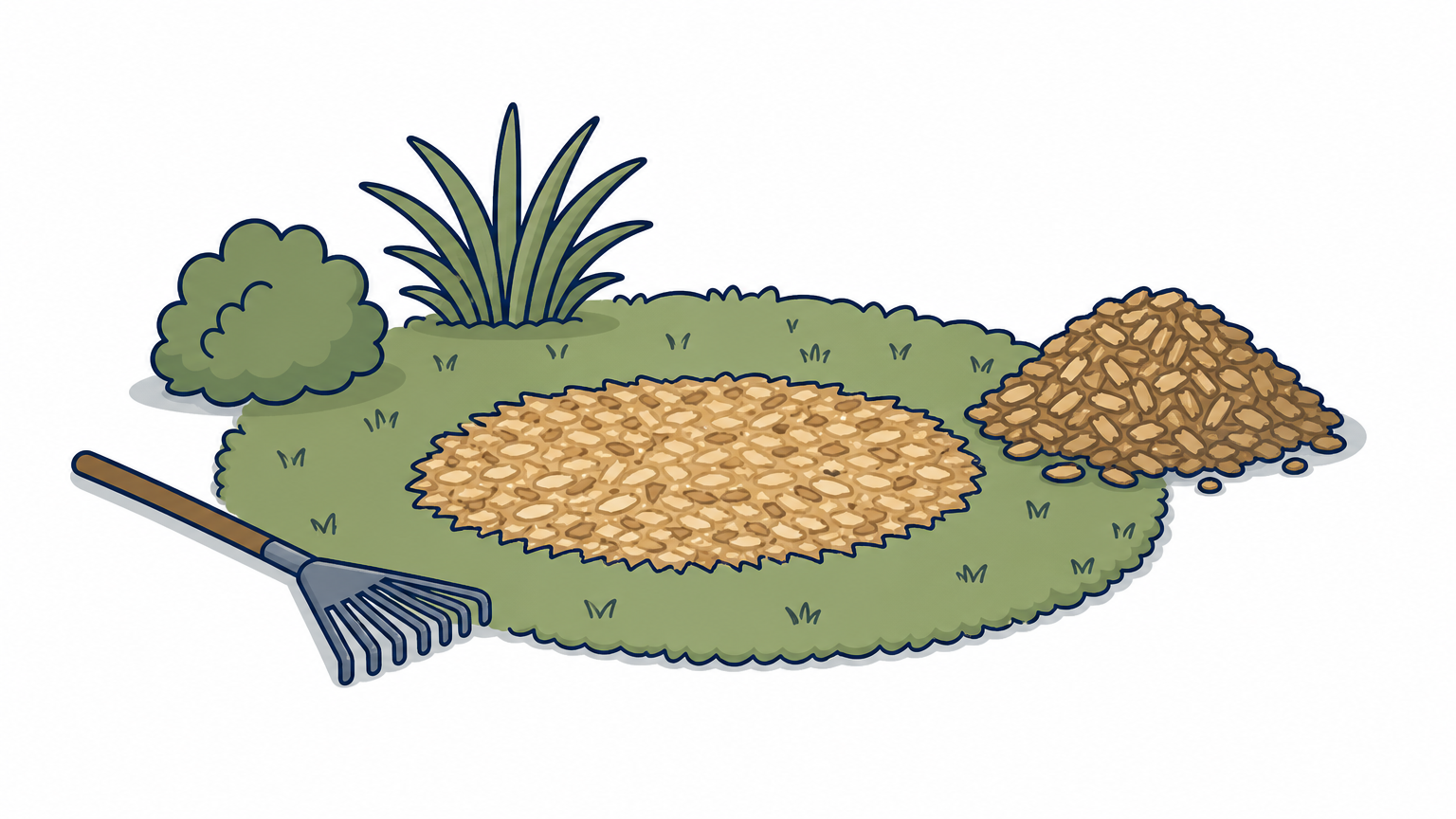
The crew inspects the stump, marks where irrigation lines and other obstacles sit, and grinds the stump and the visible root flare. Call 811 before any digging or grinding so utility lines get marked. Grinding typically goes 6 to 12 inches below the soil surface. The underground root system is generally not excavated , and it decays on its own over time. You can keep the chips as mulch or have them hauled off. A stump about 3 feet across is a big job, often an hour or more of machine time.
ArboBella's stump grinding is mechanical grinding of unwanted stumps, and the underground root system is generally not excavated. If the tree is still standing, the team evaluates its health and structure first, because some trees can be saved.
Grinding removes what you see and what mowers hit, and leaves the roots to rot.
Who it suits
- Homeowners with stumps left after a tree removal or storm
- Anyone who wants a level lawn without renting equipment
- Properties where a stump sits near a fence, driveway, or home
What it costs
Advertised prices for a single residential stump run from about $100 for small stumps to $600 for large ones . Treat that as a ballpark, not a quote. Several factors drive the final grinding price:
| Factor | Why it moves the price |
|---|---|
| Stump diameter | More wood means more time on the machine |
| Number of stumps | Setup is the same, so extra stumps on one visit may cost less |
| Exposed roots | Surface roots must be ground too |
| Access | Gates and tight yards may require a smaller machine |
| Cleanup | Hauling chips costs more than leaving a mulch pile |
Take three small to medium stumps at $100 to $400 each. That is $300 to $1,200 in total, a wide spread. One written quote for all three shows you where a provider actually lands. Ask whether pricing is per stump or per inch, and confirm that the company carries insurance.
2. Commercial stump grinding for HOAs and properties
Commercial grinding is the same machine work on a different schedule. It clears stumps that block mowing, landscaping, walkways, or planned property improvements.
How it works
A commercial crew plans around business hours, pedestrian areas, and grounds maintenance. It usually clears several stumps in one visit, which keeps disruption short. ArboBella runs separate service lines for commercial clients, including commercial tree removal, so a hazardous tree and its stump can be handled as one project.
On managed grounds, one planned visit beats a stump removed every few weeks.
Who it suits
Business owners, HOAs, municipalities, and property or facilities managers. If you answer to a board or a budget committee, you need an itemized proposal and proof of insurance.
What it costs
Commercial jobs are typically quoted per property, based on the count and size of the stumps. Ask for itemized per-stump pricing so you can compare bids and add stumps later at the same rate. Walk the site with the provider before the quote so access, turf, and irrigation are accounted for.
3. Full stump removal with root excavation
Stump removal pulls out the stump and the main root ball, which leaves a large hole. It costs more than grinding and is only worth it in specific cases.
How it works
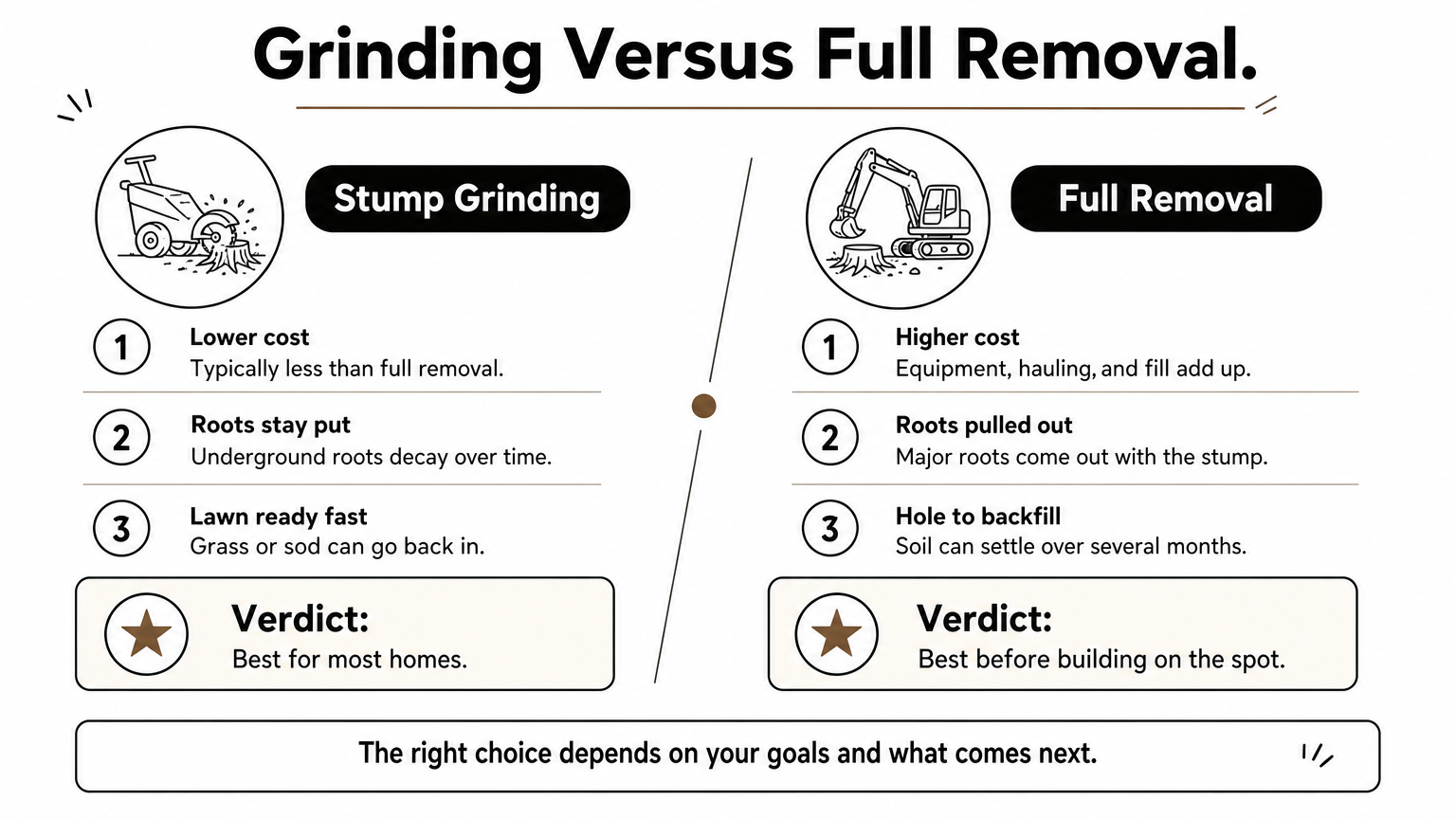
Heavy equipment digs out the stump and major roots. The hole then has to be backfilled and compacted, and the soil can settle over the following months. Grinding leaves the roots in place, while removal takes them out. That difference explains most of the price gap.
ArboBella's stump service is grinding. If you need excavation, say so when you request quotes and ask each provider whether they do it.
Grinding is cheaper than removal in nearly every residential case.
Who it suits
Removal makes sense when you will build on the spot, such as a foundation, pool, or hardscape. It also fits stumps with diseased roots that should come out of the ground.
What it costs
Expect a higher price than grinding for the same stump. You are paying for bigger equipment, hauling soil and roots, and bringing in fill. Get both quotes on the same stump if you are unsure, since the difference shows you what the excavation is worth for your project.
4. Renting a stump grinder and doing it yourself
Renting a grinder suits one or two small stumps and a homeowner comfortable with heavy, loud, risky work. It is not automatically the cheap option.
How it works
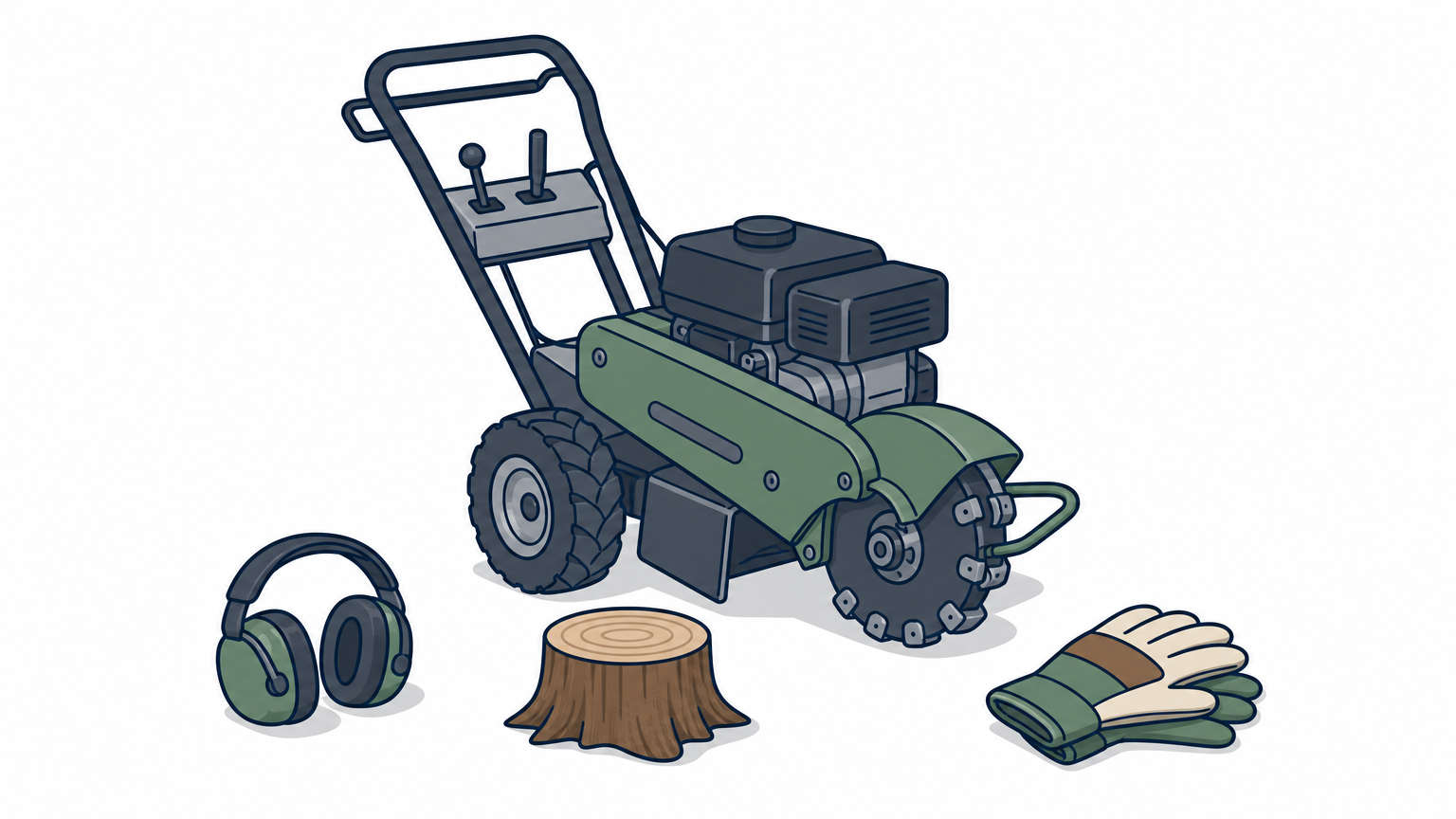
You pick up or have a machine delivered, then sweep the spinning cutting wheel across the stump, lowering it gradually. Wear eye and face protection, hearing protection, and sturdy boots. The wheel throws debris, so keep people and pets well back. Call 811 first and clear rocks and metal from around the stump.
Rental saves labor costs only if your time, towing, and risk are worth nothing.
Who it suits
Handy owners with a small stump in an open area and no time pressure. Skip it for stumps near fences, structures, or irrigation, or for large hardwoods.
What it costs
Rentals are billed by the half day or full day, often plus delivery, fuel, and a damage waiver. Ask the rental counter for the current rate. Then add your own hours, plus cleanup and hauling the chips. Once you count those, a $100 to $400 professional visit can come out close, with insurance and no risk to you.
5. Chemical treatment and natural decay
Chemical stump removers and natural rot are the slowest route. They soften a stump over months and do not remove it quickly.
How it works
You drill holes into the stump, fill them with a stump remover, add water, and wait. After several weeks to months the wood becomes soft enough to break apart with an axe. Left alone, a stump rots on its own, and Florida's heat and moisture help. A large hardwood stump can still stand for years.
Decay costs the least and takes the longest, and the stump stays a hazard meanwhile.
Who it suits
People with no deadline and a stump in an out-of-the-way corner. Skip it if the stump is near a walkway, play area, or mowing line.
What it costs
The product is inexpensive compared with a service visit. The real cost is time: during the wait the stump can shelter pests, and you may still need a grinder to finish the job.
Choosing the right stump option
For most North Port, Port Charlotte, and Venice properties, professional grinding is the practical pick. Commercial managers should bundle stumps into one planned visit. Choose full removal only when roots must come out for construction or disease, rent a grinder for a single small stump, and use chemicals or decay only when time is no issue.
Whatever you choose, get the quote in writing, confirm insurance, and ask what happens to the chips. If you want a local arborist to look at your stump, you can request stump grinding from ArboBella Tree Service or call 941-932-1768.